Art is an important means by which I comprehend life and people. I have always seen
something far deeper and more significant in art, than a craft or skill set for
creating beautiful objects. Art figures in my life as predominantly a philosophical
activity, a mode for investigating the depths of my personality as well as the myriad
ways of the world.
Today, as I create, I follow a genuine wish to connect with others, to reach their
human desires through expressing what I see, feel or believe. My paintings are visions
of a place of harmony and balance that I discovered in myself and I wish to share. I
call my style “metaphysical romanticism” and believe that aesthetic experience can
foster inner balance and change lives. For me art is a universal tool for wordless
communication. My creative stance and worldview value parity, the interaction between
cultures, and the power of art to bridge and reconcile differences.
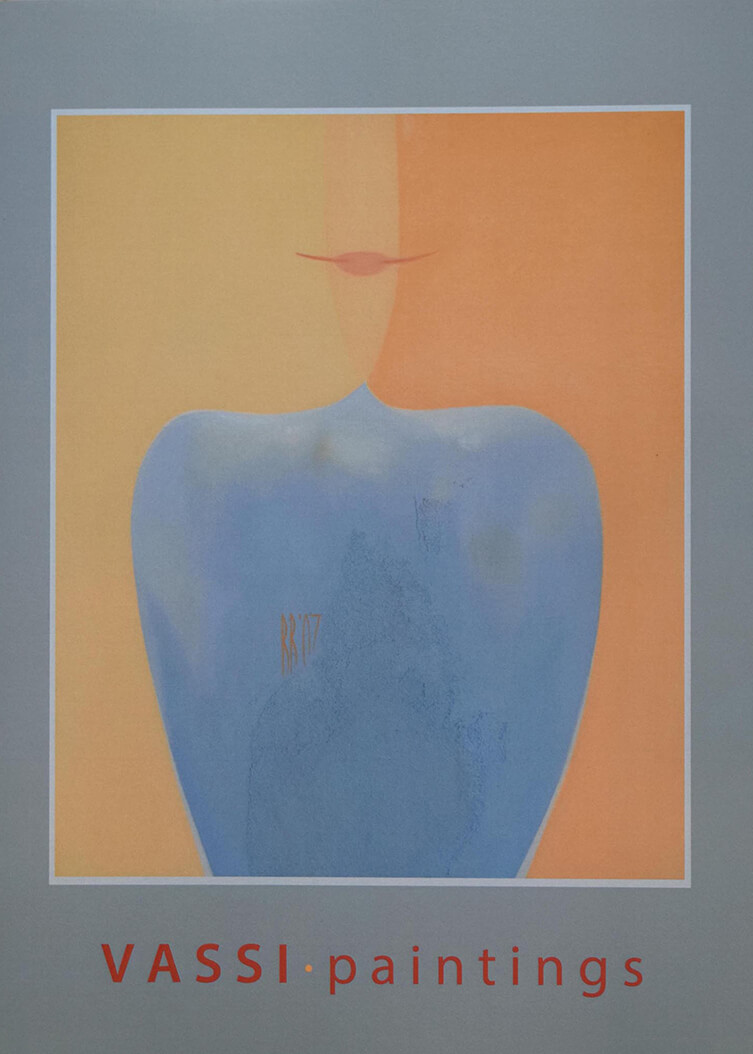
Oil painting is my preferred media, because of its capacity for blending and nuance. I
use soft pastel palette for compositions that revolve around the concept of synthesis
as a key to the universal beginning. Realistic references in my paintings are placed
in an abstract context, while their artistic language strives towards maximum
simplicity. Implying rather than directly portraying, I am driven by the intention to
evoke a particular set of emotions, to trigger a positive feeling. To me a painting
has merit only if transports the viewer beyond the ordinary to another reality—to a
reality that asserts the possibility of illumination.
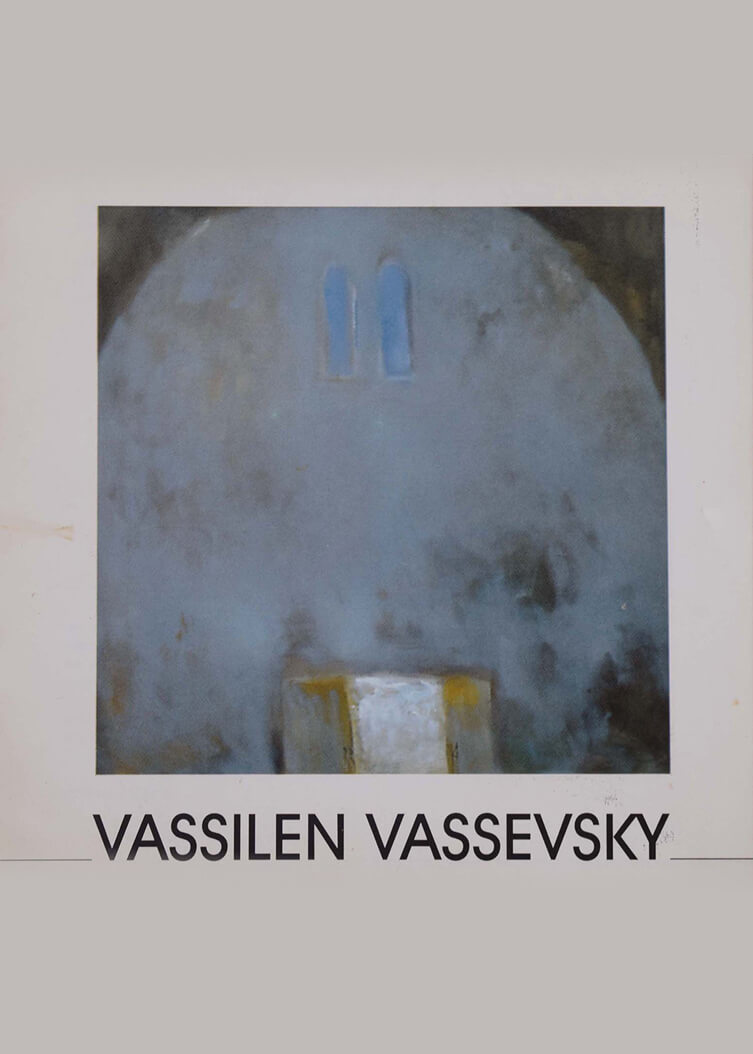
1996 Catalogue
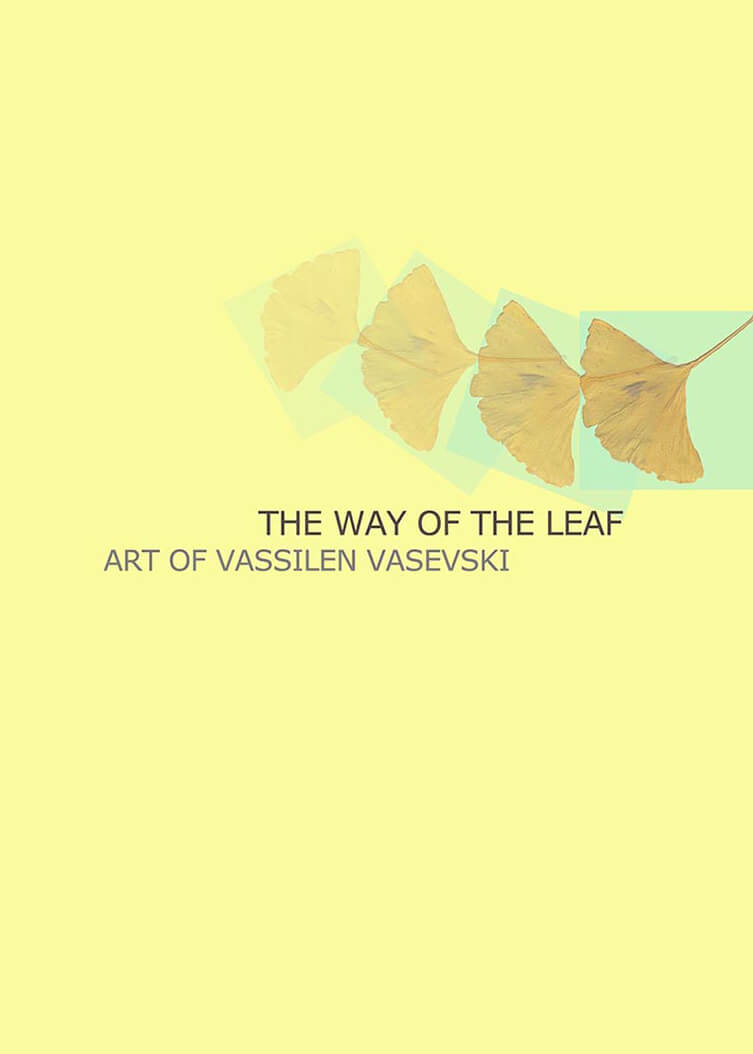
2006 DVD
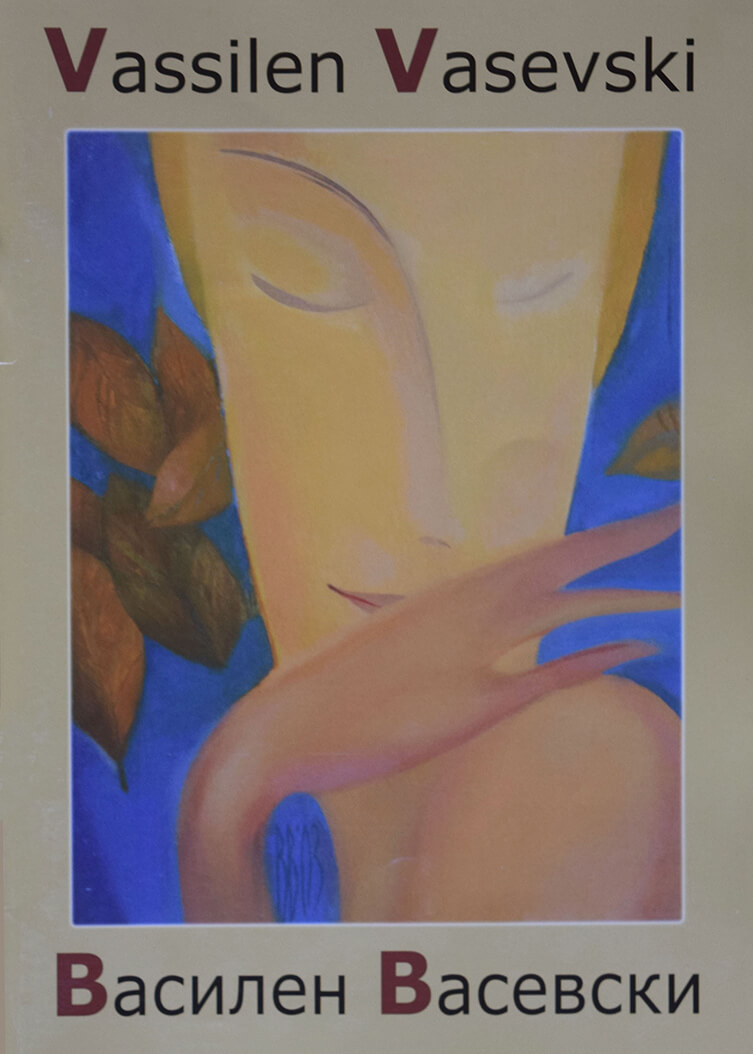
2007 Catalogue
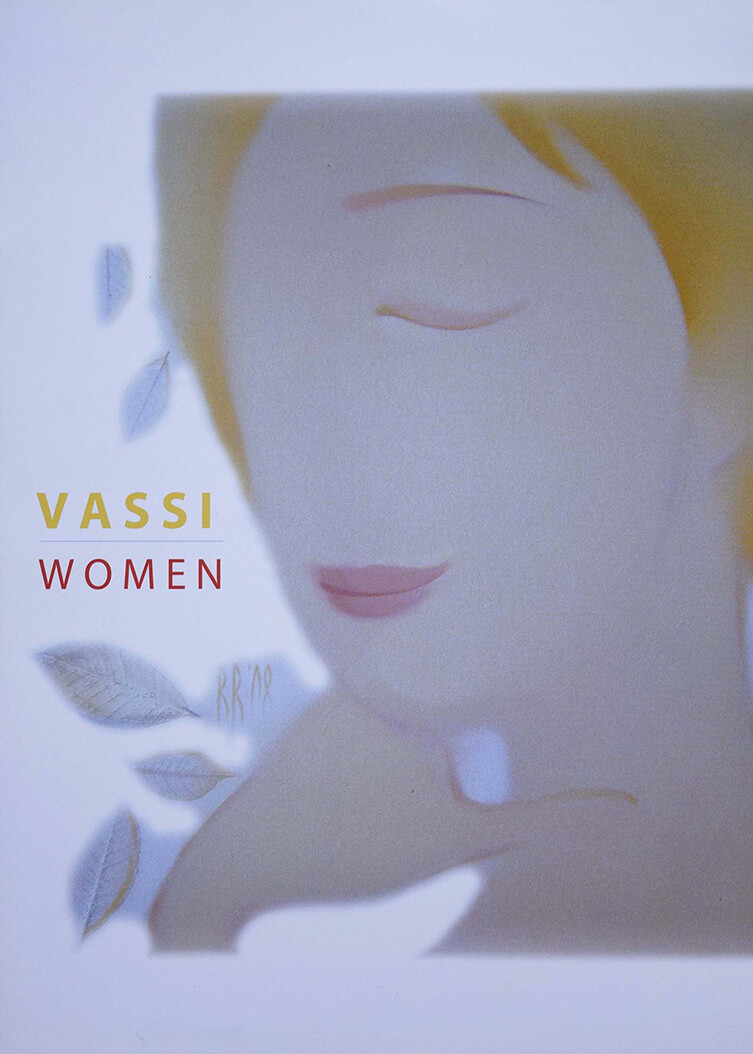
2009 Catalogue
2015 Catalogue
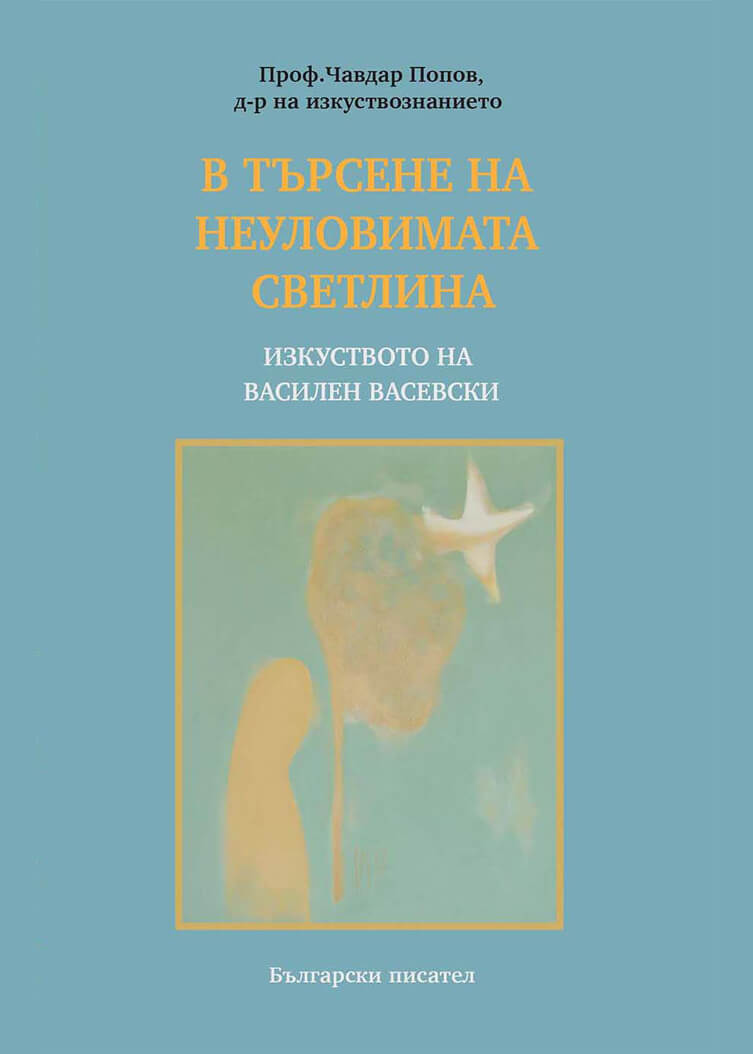
2018 "In Search of the Fleeting Light" Book by Prof. Ch. Popov
Vassilen Vasevski’s paintings invite the viewer to revel in color and form in the
way one becomes absorbed looking through leafless trees at the changing palette of
winter sunset. His works are at once austere and lyrical. Vasevski’s body of work
quietly asserts the confidence associated with the trifecta of artistic curiosity,
drive, and realization. Each of the works embody painterly execution of a deeply
felt introspective vision.
A visual language emerges when looking at the works presented here. For example, we
see motifs or images recurring in Tao of Love, Light of Your Smile, Touch Me, Feel
Me, and Garden of Peace. These motifs—outstretched open hands, leaves floating in
space, the hint of a smile, solitary and intimate figures—create thematic and
narrative unity across the works. Yet at the same time each painting is a world unto
itself. It’s the world that viewers create in their own mind while looking. One
viewer might see the hands and think of Orthodox icons, another might think of
Buddhist sculpture. Floating leaves simultaneously evoke the spaciousness created by
fields of color and the invisible movement of air and light, thought and feeling
that accompanies apparent stillness.
Visual images and motifs that suggest rather than depict are characteristic of
dreams. The familiarity of Vasevski’s motifs dispel resistance and enjoin reverie.
This is Vasevski’s distinctive aesthetic achievement: his paintings at once convey
moments of soliloquy, longing, and intimacy and give rise to our own experiences of
them.
We shall not find tragic dissonances, dramatic conflicts, complex and intricate
metaphors, or inspiration drawn directly from nature in the paintings of Vassilen
Vasevski. On the contrary, he invariably pursues the formation of his very own
signature of simplified plasticity, which visualizes the underlying substance of the
image. While at first sight his favorite motifs – faces of females in a state of
reverie and self-absorption, birds, trees and leaves – may appear to reveal their
respective object referents to nature, they are not drawn from life but represent
poetic generalizations of obscure moods, of ambivalent frames of mind, of
revelations.
The blend of delicately interwoven objects and spaces projects a peculiar poetic
atmosphere, both generally accessible and refined enough to please the eye and the
mind of the most discerning audience. The interconnections between backgrounds and
figures are defined by an entire specter of transitional zones, subduing the sharp
contours and similarly to Leonardo’s sfumato, creating the impression of unspoken
mystery. The specific modes of conveying plasticity – the light and the dark, the
warm and the cold, the near and the distant – are not set one against the other in
contrast, but rather represent the two sides of one unified organic whole.
Although the lines are not accentuated, the paintings impress with the exquisiteness
of imagery. Dominant are the large areas of color. What Vasevski favors is not the
principles of classical tonal development, but those of color planes, which –
through their varied combinations – form the composition, the spatial aspects, and
the colorful harmony of his works.